

A new peer-reviewed study published in the American Journal of Men’s Health finds that more than half of young Black men in Southern California are experiencing depressive symptoms — often without diagnosis or treatment. The research attributes these symptoms to chronic stress, repeated exposure to discrimination, and unsafe or unstable neighborhood conditions.
Led by Dr. Keyonna M. King of the University of Nebraska Medical Center, the study surveyed 201 low-income Black men between the ages of 18 and 30 as part of Project CHANGE (Changing Health for African American men with New and Great Experiences). Using the widely validated 10-item Center for Epidemiologic Studies Depression Scale (CES-D-10), researchers found that 54.2% of participants screened positive for depression, despite the majority reporting their physical health as good or very good.
“This population is largely unemployed, uninsured, living in poverty, and over half have previously been incarcerated,” the study states. These systemic disadvantages, combined with persistent racial and environmental stressors, contribute significantly to depressive symptoms.
The strongest predictor of depression in the study was perceived stress. Men who reported higher stress levels had significantly greater odds of exhibiting depressive symptoms.
Experiences of everyday racial and non-racial discrimination, community disturbances like crime and violence, and a lack of neighborhood trust and safety were also strongly correlated with depression.
The study challenges conventional ideas about self-reported health, particularly in young Black men. Although 73.2% rated their physical health positively, many still experienced mental health struggles.
“Black men may disregard mental health in their assessment of general health, having been socialized to ‘tough it out,’” the authors wrote.
The study also points to the frequent misdiagnosis of depression by predominantly white healthcare providers, leading to underdiagnosis and lack of treatment.
Neighborhood trust and safety emerged as protective factors. Men who felt their neighborhoods were safer and more trusting had significantly lower odds of reporting depression. However, other forms of social capital, such as civic engagement and neighborhood participation, were not significantly associated with mental health outcomes in this study population.
Addressing Depression: Culturally Tailored Mental Health Interventions
To effectively address depression in this demographic, the researchers recommend culturally tailored mental health interventions that acknowledge the lived experiences of Black men.
This includes integrating faith-based and family networks into mental health outreach, embedding coping and stress-management skills into broader wellness programs, and pursuing policy change to address structural racism and inequality.

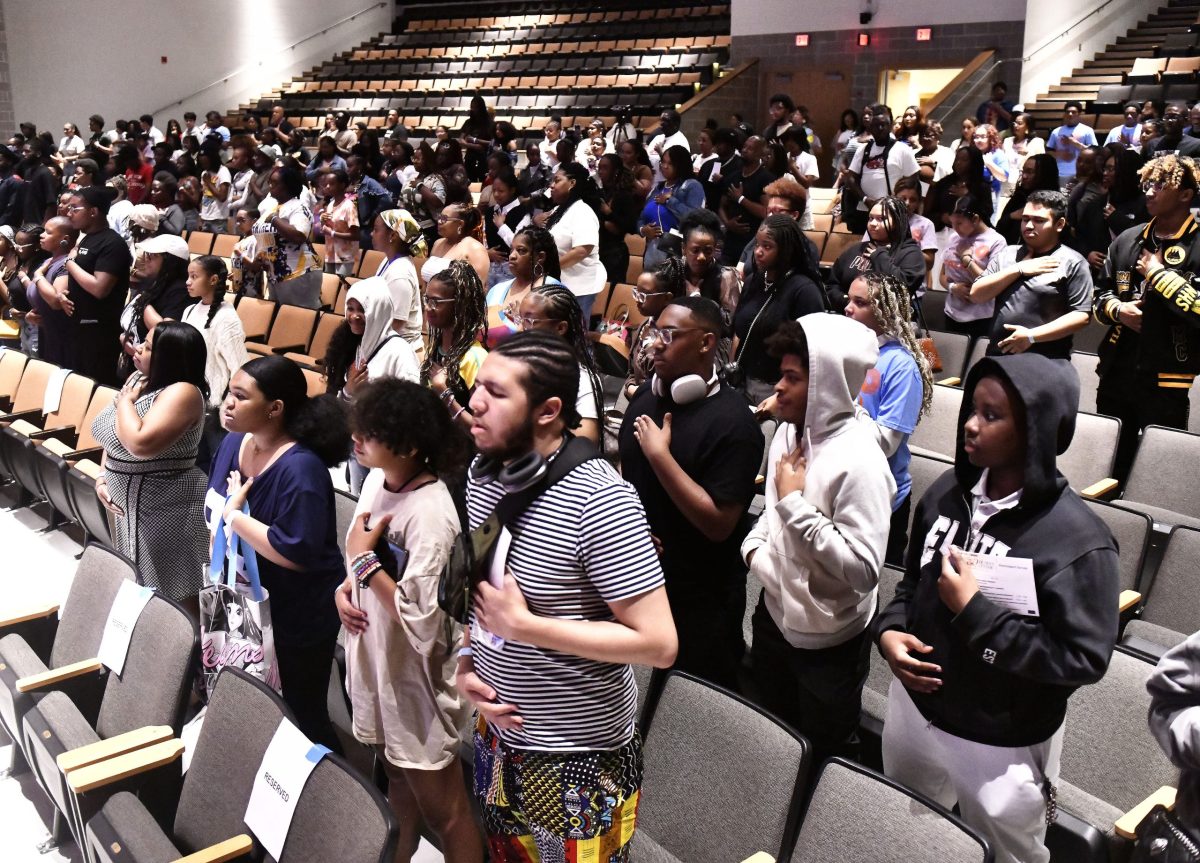
At the recent “Can We Talk? Symposium” hosted by the Boris Lawrence Henson Foundation — founded by actress and DMV native Taraji P. Henson — Dr. Jay Barnett talked about the importance of culturally competent care and how critical it was as people were seeking help post the public, police-involved murder of George Floyd.
“One of the things that I have to echo — particularly during the pandemic — I was the only Black male therapist at the time [in my network] that was providing space, not just for people in general, but there were a lot of Black men that were reaching out to me after the George Floyd incident,” he told The Informer in early May, while at the 2025 symposium, hosted in Prince George’s County, Maryland, at Henson’s high school alma mater, Oxon Hill High School.
While the American Journal of Men’s Health study offers new data on young Black men in California, its findings are reinforced by therapists reports and earlier research, including the Science Direct white paper titled “Where I’m Livin’ and How I’m Feelin’: Associations among Community Stress, Gender, and Mental-Emotional Health among Black Americans.”
That paper found that Black men across the Southern U.S., particularly in Tennessee and Georgia, suffer disproportionately from community stress and mental health challenges. It also documented that men tend to underreport emotional distress even as they exhibit more symptoms of depression and anxiety than women.
According to the ScienceDirect paper, “Black men who experience economic precarity, housing instability, and over-policing in communities impacted by disinvestment often develop unique coping responses that mask underlying mental-emotional health challenges.”
Further, after losing a young male patient to suicide and as a two-time suicide attempt survivor himself, Barnett noted a particular concern about the mental health of Black youth.
“One of the main things that I want to focus on with the youth and talk to them about today is anxiety and the growing suicide rates that we’re seeing,” Barnett told The Informer. “This generation of kids are dealing with things that we never had to deal with in school and often don’t have the support that they need to manage it,” he said.
Barnett’s experiences in the field and the recent studies from Project CHANGE and ScienceDirect highlight the need for urgent reform in mental health care access, clinical training, and public policy that consider the racialized and gendered realities of Black men’s lives.
“The mental health crisis among young Black men is not simply a medical issue—it’s a structural one,” the Project CHANGE authors concluded. “Without culturally competent care and policy interventions that reduce stress-inducing conditions, these disparities will persist.”