
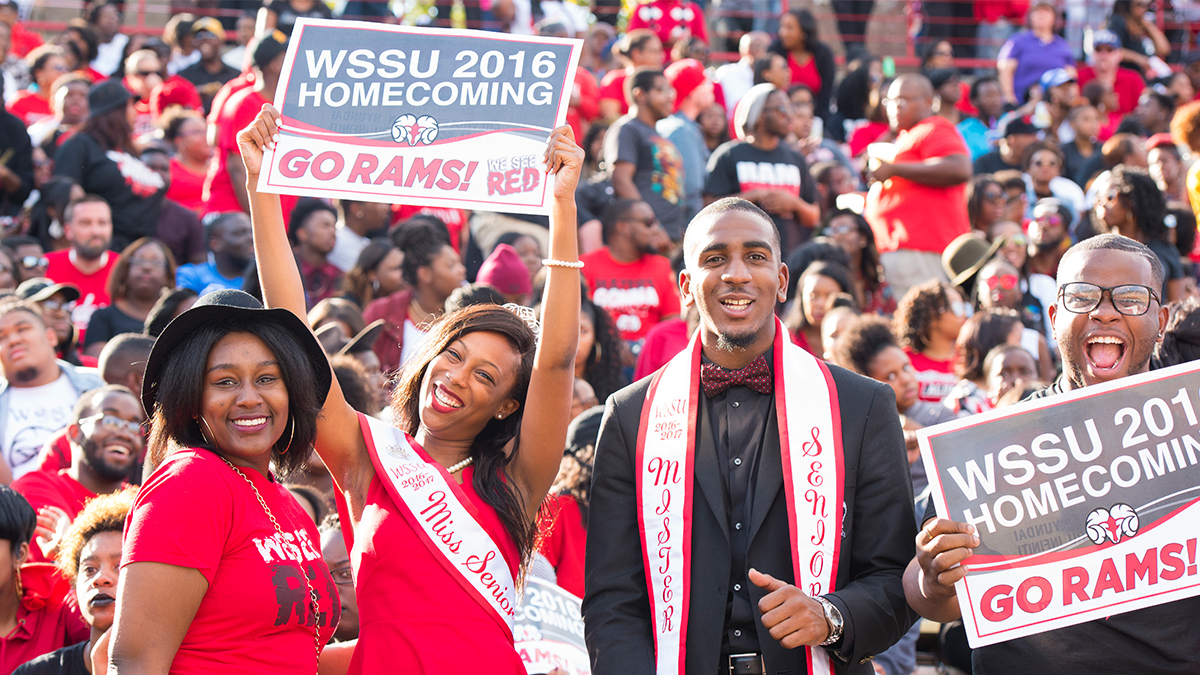

HBCU homecoming season is here, and your PWI homecoming can be everything you need it to be without becoming ours.
Enjoy your school. Find your people. Go back to the place that helped make you who you are. I don’t begrudge anybody that experience.
We all made decisions about where to go to college. Some people chose their dream school. Others chose the best financial option, the right academic program or the place that would take them. Sometimes the choice available wasn’t even the choice they wanted.
That doesn’t make anybody less Black. It doesn’t make their friendships less meaningful or their memories less valuable.
Homecoming should mean returning to somewhere that feels like home. Everybody deserves to enjoy that.
But enjoying your PWI homecoming doesn’t require comparing it to an HBCU. And having a crowd of Black people on campus doesn’t create an equivalency. That’s where some folks lose me.
A friend recently sent me messages about their homecoming at a PWI. Actually, a minority serving institution. Initially, my response was simple: enjoy yourself. Then came the comparison to an HBCU, followed by footage meant to prove the point. My response changed because the conversation changed.
You can show me Black people dancing, tailgating and having a wonderful time. I’m happy for them. But those images don’t erase the difference between the institutions hosting those celebrations.
An HBCU is more than a vibe you can recreate for a weekend.
For many of us, homecoming connects our personal memories to something much older. We return to places that educated our families, developed our communities and affirmed our possibilities. The music matters. So do the parties, the reunions and the outfits. But the institution underneath all of that matters, too.
You can recognize familiar pieces of our culture without claiming the entire experience as your own.
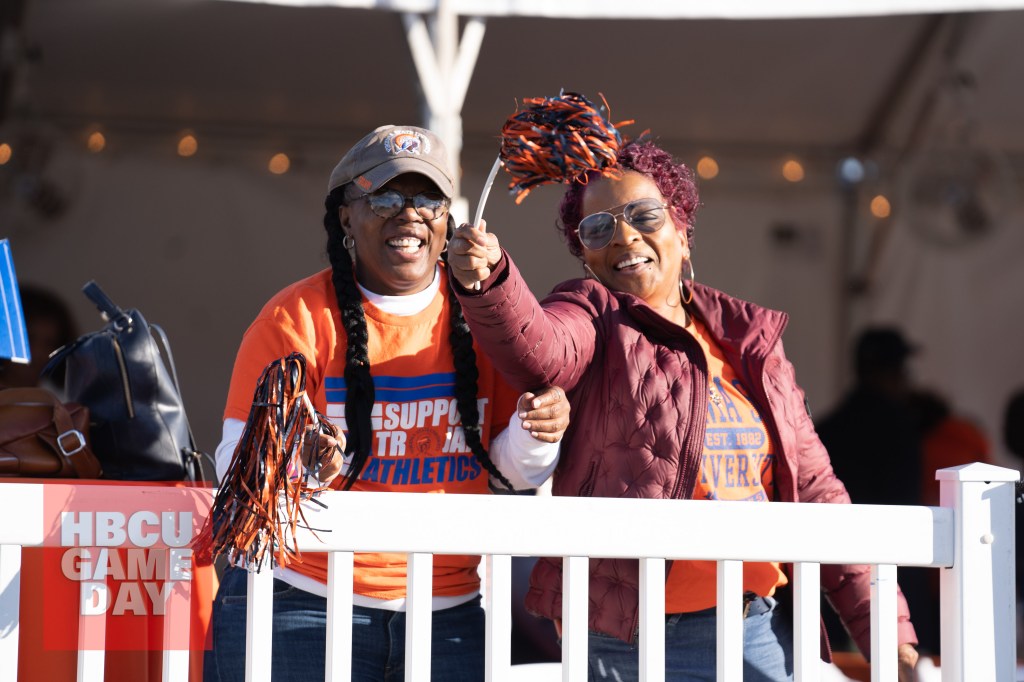
HBCU homecoming carries a different history
My alma mater, Winston-Salem State University, began in 1892 when Simon Green Atkins founded Slater Industrial Academy. That history reaches back 130-plus years.
When I go home, I’m returning to an institution rooted in the education and advancement of Black people.
Across the HBCU landscape, Black leadership and community investment helped sustain institutions built to serve us when other doors remained closed. Their missions weren’t weekend themes. They were answers to exclusion.
The timelines matter. Wake Forest enrolled its first full-time Black undergraduate in 1962, seventy years after WSSU’s founding. That came eight years after Brown v. Board of Education.
Different schools integrated at different times. But celebrating Black life at an institution today doesn’t rewrite who could enter it yesterday.
Neither does it erase the unequal resources HBCUs have endured. A 2023 federal analysis identified $12.6 billion in underfunding at historically Black land-grant universities across sixteen states over three decades.
And still, these institutions are here. Their alumni keep coming home.
That’s why the comparison can trigger a response. To some of us, insisting that the experiences are equivalent feels dismissive. Keep pushing after we explain the difference, and it can feel like gaslighting.
You don’t have to share our experience to respect it. Nor do you need an HBCU comparison to validate your own.
Be proud of your school. Celebrate your homecoming. Come enjoy ours, too, when you have the opportunity.
Just respect the difference. And if you insist on ignoring it, be prepared for the response from people who understand what their institutions represent.
This ain’t that.