
When Serena Williams opened about her weight loss struggles, she not only joined a growing list of celebrities openly discussing GLP-1 medications but also pushed the issue of access and affordability into the spotlight.
“I just couldn’t get my weight to where I needed to be at a healthy place and believe me, I don’t take shortcuts. I do everything but shortcuts,” Williams told NBC’s “Today” show.
Williams, who said she has lost 31 pounds since consistently taking the medication this year, is using her platform to normalize use of the drugs and push back on the narrative that taking them is the “easy way out.”
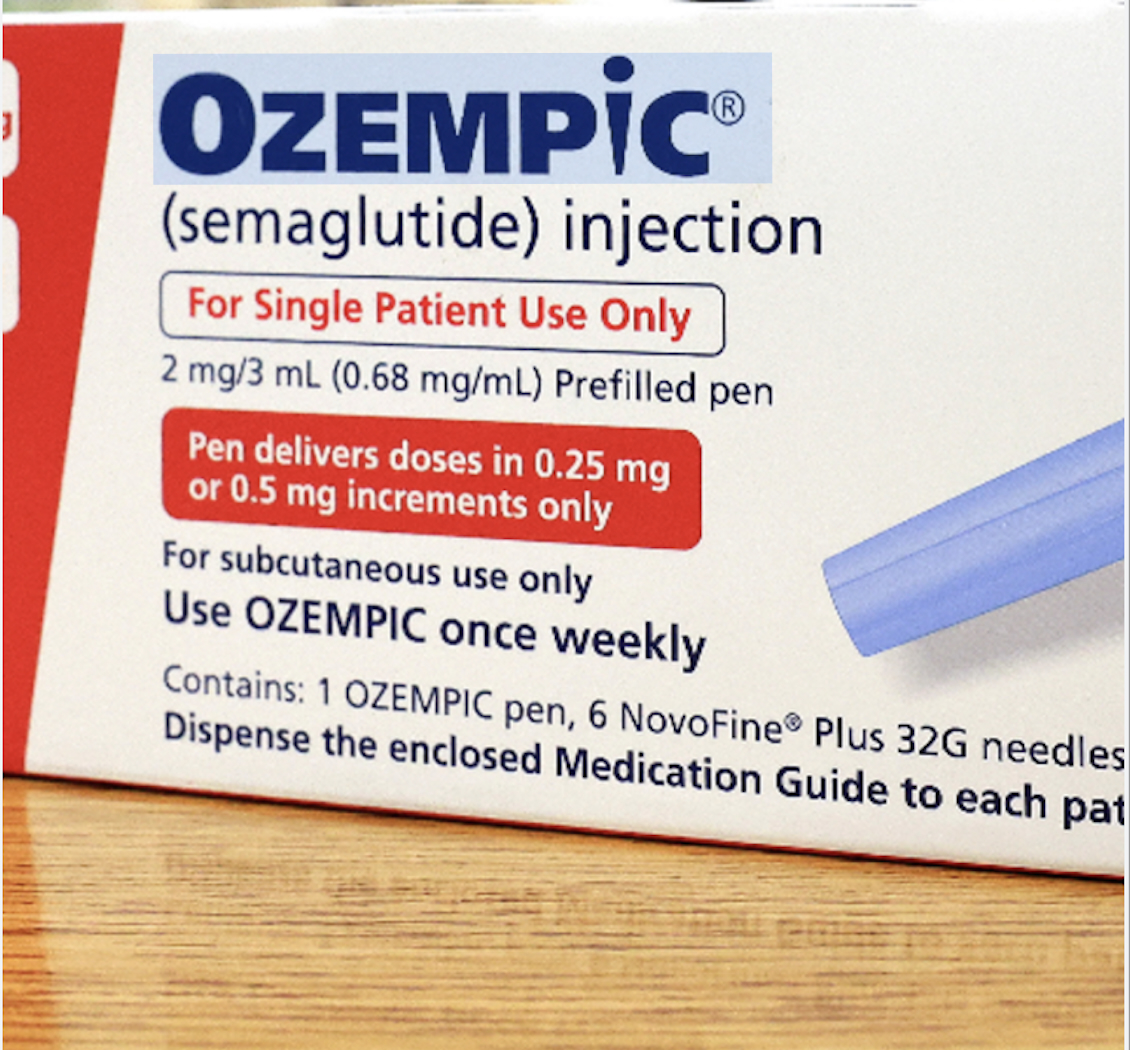
According to the latest KFF Health Tracking Poll, one in eight U.S. adults (12%) report having taken a GLP-1 drug such as Ozempic, Wegovy, or Mounjaro. Use is higher among people with chronic conditions, with 43% of adults with diabetes, 26% with heart disease, and 22% of those told by a doctor they were overweight or obese in the past five years.

Black adults (18%) are more likely than white adults (10%) to report using GLP-1 drugs. The poll also found that affordability is a major barrier, with more than half (54%) of adults who have taken the medications saying they had difficulty paying for them. Even among those with insurance, 22% said it was “very difficult” to afford.
The poll found that 79% of adults who have used GLP-1s got them through their primary care doctor or a specialist, with smaller numbers accessing them through telehealth, online providers, or medical spas.
In the District, the obstacles are particularly steep. Medicaid covers 42.4% of the city’s population, yet it does not cover obesity medications. Nutrition counseling is covered, and bariatric surgery is allowed under restrictions, but patients prescribed GLP-1 drugs for weight management are left to pay out-of-pocket, where list prices range from $936 to $1,349 per month before insurance.
This leaves many residents without access to treatments viewed as breakthroughs in tackling obesity and diabetes. The city reports that 24.3% of adults are living with obesity and 8% with diabetes.
“They’re keeping a lot of people who need this drug from getting it because it’s expensive,” Tommy Zondo, 53, told The Washington in August 2024, “[and] because they’re going to lose a lot of money [the more prescriptions they approve for coverage.”
For Williams, family history and health concerns shaped her decision. “I had a lot of issues with my knees, especially after I had my kid. That, quite frankly, definitely had an effect on maybe some wins that I could have had in my career,” she said.
Now, the tennis star is expressing relief. “I just feel normal again,” Williams said. “It feels really good.”