

Tuskegee University, an HBCU in Alabama, recently made national news about imposing a dress code. There has been a flood of opinions about it. Words like culture and phrases like the times are different have been included in the attitudes and thinking about the dress code.
Let me be emphatically clear about one thing. I don’t pretend to know what goes on in the mind of a 17- or 18-year-old student going to an HBCU. I just don’t have an idea and wouldn’t know where to begin.
Here is what I do know. Being groomed and looking appropriate are timeless. They don’t have a beginning or an ending.
The durags and bonnets are prohibited in classrooms, in the cafeteria and at official university events according to Tuskegee University officials. Virginia Union University, an HBCU in Richmond, Virginia, has a similar policy.
My interpretation of the policy is that these clothing items are permissible when you wear them in residence halls. It is my opinion that HBCUs get you ready for the future. That was my experience and the experience of other graduates.
Some students and influencers say that you can wear slippers and bonnets to class at PWIs (Predominantly White Institutions). Let us not ever forget that HBCUs in many ways were founded because African Americans could not attend PWIs.
Pride is a word attached to HBCUs. It is how you carry yourself and who you represent. That still matters today.
While some may disagree, my pride didn’t allow me to drop my guard. I say that without hesitation. During my career in higher education, I was a role model. I couldn’t weave in and out of professionalism.
I began learning those lessons while I was an undergraduate student at Johnson C. Smith University, an HBCU in Charlotte, North Carolina. Encouragement, motivation and teachable moments were all given to me there. The faculty, staff and administration understood they were preparing the next generation of leaders.
One expression that I use is students don’t want to know how much you know until they know how much you care. The Johnson C. Smith University community cared about us. It was more than book learning. It was also life learning.
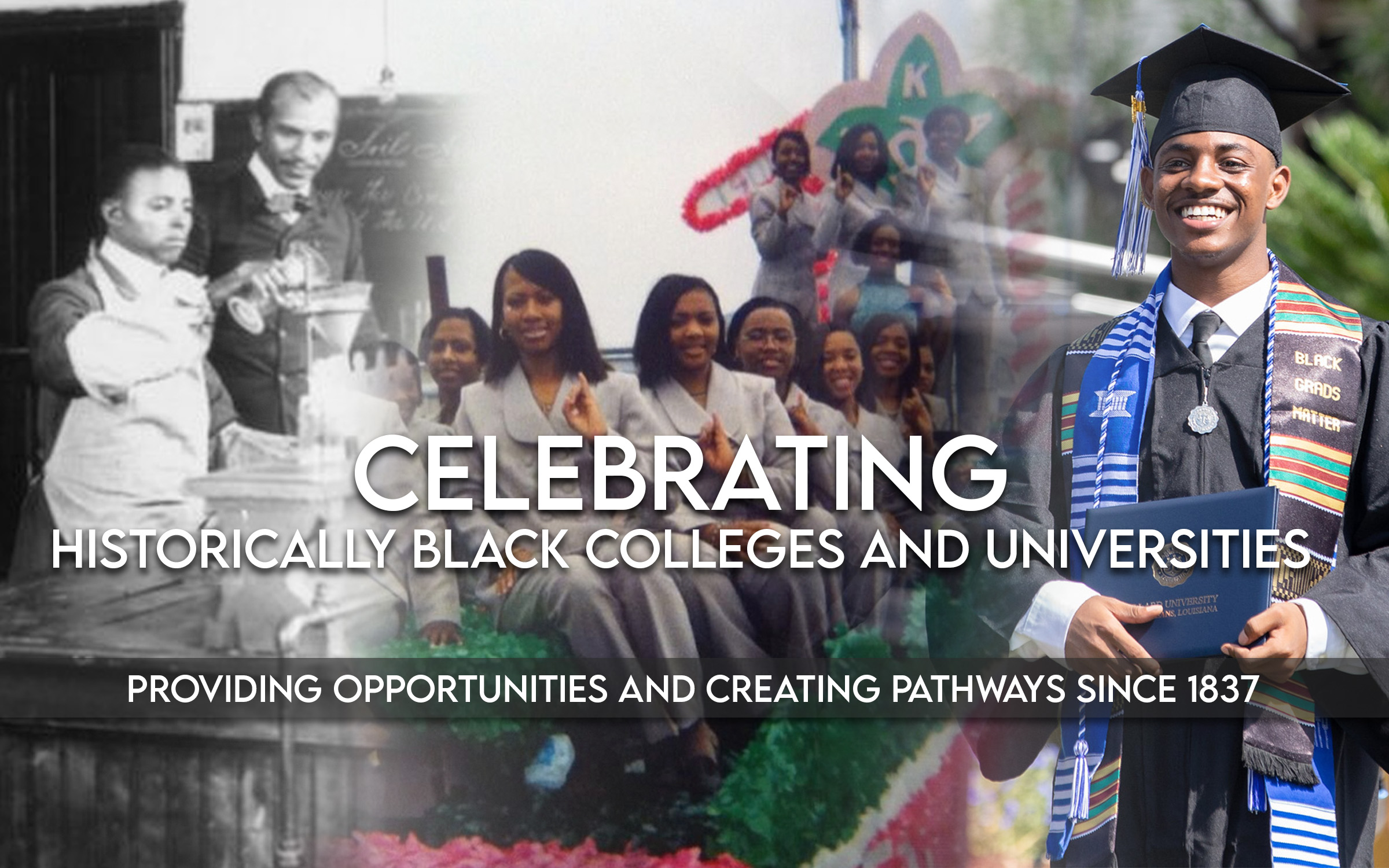
Historically Black colleges and universities occupy an important place in the higher education system. Its mission was born out of necessity. Its goal was to provide an education for minds eager to learn. That goal has not changed today.