
The Maternal, Infant, and Early Childhood Home Visiting (MIECHV) program supports voluntary, evidence-based home visiting for expectant parents and families with young children, particularly in communities facing greater barriers to positive maternal and child health outcomes.
The U.S Department of Health and Human Services’ agency Health Resources and Services Administration (HRSA) recently announced more than $525 million in fiscal year (FY) 2026 Maternal, Infant, and Early Childhood Home Visiting (MIECHV) Program awards to 56 state and jurisdiction recipients — the largest federal investment in the program’s history.
There are examples of the program success across the country. For instance, in Florida, Tracy says she gained the confidence and support to overcome challenges and achieve her goals. With the guidance of her home visitor, she strengthened her parenting skills, prioritized her well-being, and advanced her career. Today, Tracy continues to set goals for herself and her family and says, “This program has provided me with the tools to not just survive but to thrive.”
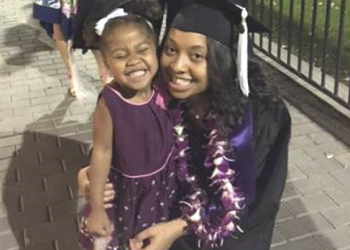
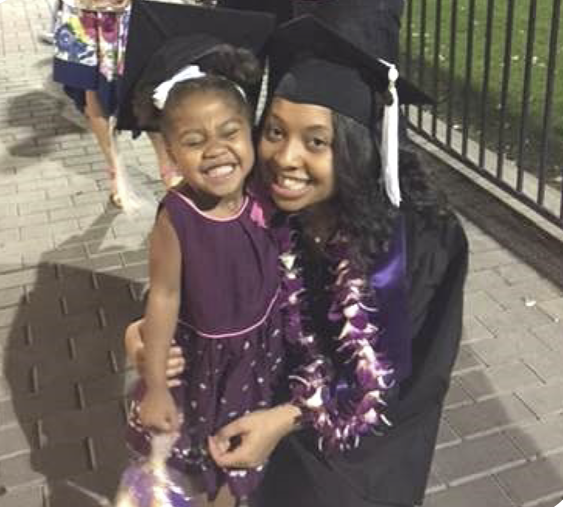
In California, Faraha said, “I became pregnant and … I knew I wanted to make a difference in my life and that of my child. The home visiting program not only helped me as a mom, but also with my growth to … better myself, and now I’m in a position that I’ve always wanted to be in.”
Faraha is currently employed and pursuing a master’s degree to become a licensed counselor.
HRSA Administrator Tom Engels announced the new awards in Columbus, Ohio, on Child Health Day. The awards will expand access to evidence-based home visiting services that improve maternal and child health, promote healthy child development, and connect families with the support they need during pregnancy and early childhood.
“MIECHV reflects a simple idea: supporting parents early gives children a stronger start. Parents are a child’s first and most important teacher, and by giving them the tools and support they need, we help create a strong foundation for children to thrive,” said Administrator Engels.
The MIECHV program reaches families where services are needed most, including those who are rural, low-income, and at greater risk of poor health outcomes. Trained home visitors meet regularly with expecting mothers and families with young children. Decades of gold-standard scientific research show that voluntary home visits during pregnancy and early childhood can help prevent chronic disease and child abuse and neglect, promote school readiness, and boost families’ economic self-sufficiency.
These awards include both base and matching grants. Base grants provide foundational support for evidence-based home visiting programs in every eligible state and jurisdiction, while matching grants help recipients expand services and reach more eligible families. In FY 2026, 55 of the 56 award recipients applied for and received matching grant awards, reflecting the continued commitment of our state partners to expand evidence-based home visiting services in communities across the country.
Since its reauthorization in 2022, the MIECHV program has served 15 percent more parents and children and delivered 23 percent more home visits. In FY 2025, the program provided more than 1 million home visits to more than 158,000 parents and children across one-third of all U.S. counties, helping connect families with services that support healthy pregnancies, positive parenting, child development, and family economic well-being.
As home visiting services expand, a strong and well-supported workforce is essential to meeting the needs of more families.