

For some women, hormonal changes begin quietly: a night spent staring at the ceiling, a sudden wave of anxiety, changing moods, or exhaustion that sleep cannot seem to fix.

Many blame stress, aging, or, shamefully, themselves. However, these changes often signal hormonal transitions that often begin years before menopause.
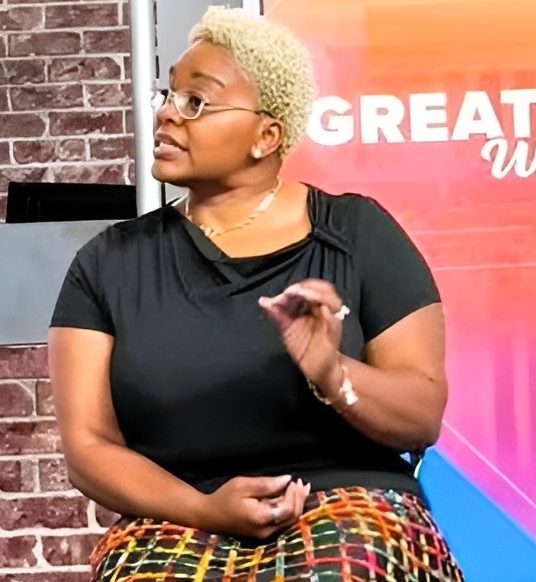
“First and foremost, I want women to understand that having symptoms related to their hormones changing is not a sign of failure,” said Dr. LaKeischa McMillan.
The international hormone specialist emphasizes that one of the key components of treating menopause — often called “the change” — is claiming the power to discuss these very personal changes openly.
“We have to take the shame out of it,” McMillan told The Washington Informer in a May interview on the digital show “Let’s Talk.” “Due to shame and lack of understanding, our mother’s and grandmother’s generation didn’t talk about ‘the change,’ and to our detriment, many of us are still not having open conversations about our symptoms, even with ourselves.”
Subtle Changes Women May Not Always Recognize
Dr. Monica Sood clinically defines menopause as 12 consecutive months without a menstrual period. However, she stresses that the transition leading up to menopause, known as perimenopause, can start as early as four to 10 years before full menopause.

“Symptoms may emerge as early as a woman’s 30s, even while menstrual cycles continue,” said Sood, 51, ahead of World Menopause Day on Oct. 18. “Sleep disturbances, brain fog, mood swings, weight gain, anxiety and low energy can be easy to dismiss, particularly in communities where the complexities of menopause, especially for younger women, historically have not been widely understood.”
Recognizing the isolation and disconnect many women feel while navigating changing hormones, the physician founded Sood 4 Thought, an online community platform that helps women over 40 reconnect with their health, identity, and purpose through natural mind-body practices.
“We tend to think that these biological changes are isolated to our reproductive system,” said Sood. “Really, they affect the functioning of the entire body.”
For many women, these layered symptoms can be destabilizing.
“Hormonal shifts can affect sleep, concentration, mood, bone health, and even how we feel about ourselves as women,” emphasized McMillan. “These changes are a disruption to the body’s internal rhythm and the symptoms vary in number and severity from woman to woman.”
Both clinicians advocate that recognizing subtle changes is imperative to seeking education and treatment before symptoms begin to feel overwhelming.
“This is a physiological process,” McMillan said. “There is true chemistry happening in your body that shows up as actual symptoms.”
For women who have spent years caring for families, managing careers, and meeting others’ needs, those changes can also create uncertainty about their own identity. Without education and treatment, women may feel isolated or question their mental well-being even though their bodies are undergoing a genuine biological transition.
“These changes are very real,” related Sood. “Women often say to me, ‘I feel like I’m going crazy.’ They feel like they are alone.”
Reclaiming Hormonal Health, One Habit at a Time
Both physicians emphasize that education and individualized support are critical to help women navigate hormonal changes at both early and later ages.
Passionate about ensuring that women have relatable information, McMillan authored “Your Survival Guide to Perimenopause and Menopause: The Other Side of PMS.” The book is intentionally written in accessible, conversational language which feels more like old friends talking as opposed to a medical journal.
“It is my ministry to help women understand what is happening to them so that they not only feel validated but have the resources and support to take back the reins of their lives,” McMillan said.
Sood counsels women on establishing new habits for their changing bodies, including developing a sleep routine, making different nutritional choices, and replenishing diminishing vitamin and hormonal levels. She encourages women to seek medical guidance and to advocate for testing for hormonal and vitamin deficiencies.
She also offers practical advice that can be easily layered into one’s daily routine.

“Incorporate protein and healthy fats into your diet, reduce or eliminate processed foods, get sunlight, and make time for practices that calm the nervous system, such as breathing exercises or prayer,” advised Sood.
McMillan, who sees this work as her calling, believes that contrary to popular belief, menopause is not the ending of something, but the birth of what she counsels could be one of the most fulfilling stages of life.
“I believe it’s my job to educate women for generations that balanced hormones actually equal a whole person, and to understand that they don’t just have to accept that this is the way that they move through the world now,” the author stated.
Sood also sees menopause as an invitation to reinvention.
“What we don’t realize is that we have spent our entire lives taking care of everyone else,” she said. “One of the practices that I teach to women is that menopause and perimenopause are the times that we take care of ourselves.”
Both clinicians encourage women to see this stage of life as an opportunity to reconsider what they want for themselves and urge them to take the time to actually create that new reality.
“Taking care of your hormonal health opens the doors of possibility,” Sood emphasized. “That may mean the travel you never got to explore, returning to school, pursuing a meaningful hobby, or making room for interests that have long taken a back seat to caring for others.”
Culturally, McMillan sees opportunity to reshape the meaning of what has generationally been referred to in quiet whispers as “the change.”
“The most sustainable way to take care of others is to take care of ourselves. Let’s redefine ‘the change’ into something beautiful that we speak about openly, that builds, creates, and empowers,” she said. “Imagine the power that this single act of self-caregiving would ultimately have on us now, and our generations to come.”