For Black communities, energy has never been just a bill in the mail every month. It is a question of who breathes clean air. Who can afford to stay cool in a heat wave. Who gets to share in the technologies already sitting in front of us.

Take Nevada. Extreme heat around Las Vegas is getting more dangerous every year. At the same time, Nevada has some of the best solar resources in the country, and solar already powers roughly a third of the state’s grid. The same sun that makes summers deadly could also cut energy bills, create jobs, and make neighborhoods stronger. That is not a Nevada story. It is the story playing out across the country, wherever communities sit at the juncture of extreme heat and untapped clean energy.
That opportunity is exactly what the Trump administration is putting at risk. It is rolling back clean energy tax incentives. Stalling permits. Pulling back federal support for solar and battery storage. Every one of those moves slows down the technology that could bring down costs and clean up the air where it is needed most. Black communities have the most to lose. Zoning decisions, discriminatory housing policies, and decades of disinvestment put Black communities closer to power plants, highways, and other pollution sources. When clean energy stalls, that pollution does not. It stays put. And the people living closest to it keep paying for it, in asthma rates, in utility bills, in jobs that never show up.

It gets worse. The same administration slowing down tomorrow’s clean energy is also weakening the EPA rules that hold today’s polluters accountable. Communities need stronger protection from the pollution they already live with, not weaker. Blocking the clean alternative while gutting the rules that police the dirty status quo is not two problems. It is one problem, coming at Black communities from both directions.
Even where clean energy exists, the benefits are not shared equally. A homeowner with money can put solar panels on the roof. A renter cannot. A family struggling to pay the electric bill is not financing thousands of dollars in new equipment. Without real policy, we risk building a cleaner energy economy that leaves behind the same people who paid the highest price for the old one.
Environmental justice means more than protecting communities from pollution. It means those communities get to participate in and benefit from the clean energy future. Community solar for renters. Solar on affordable housing. Battery storage at churches and community centers. Workforce programs that train people from historically burdened neighborhoods for good-paying energy jobs.
The communities carrying the heaviest environmental burden deserve a real stake in the solution. They should not just survive an energy transition that a president is actively slowing down while weakening the rules meant to protect them. They should benefit from it.
The Trump administration’s campaign to weaken the Environmental Protection Agency is not a bureaucratic debate. It is a question of who gets protected, who gets sacrificed, and who gets to benefit from the solutions already in front of us.
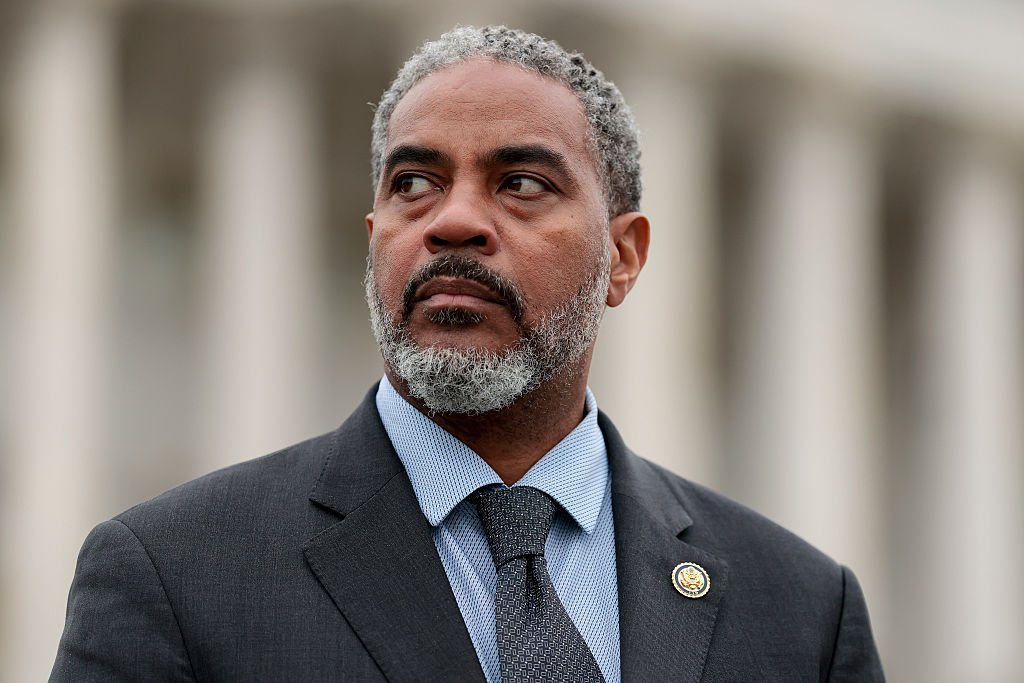
Congressman Steven Horsford serves as the U.S. representative for Nevada’s 4th congressional district.
Straight From 
Sign up for our free daily newsletter.